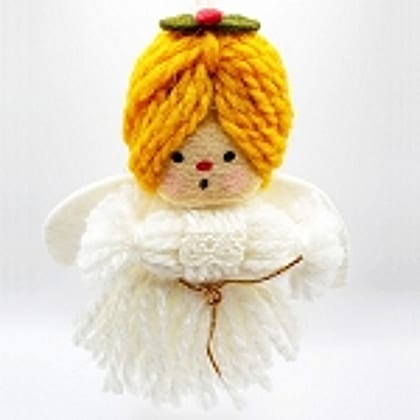
1973 Angel, Yarn
$37.95

(1973)
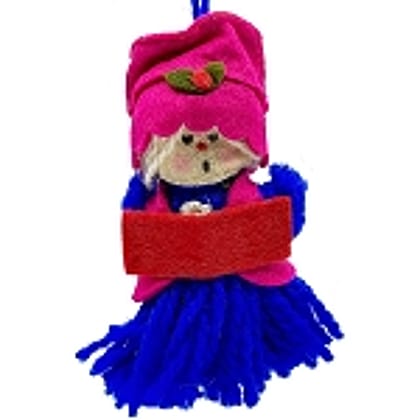
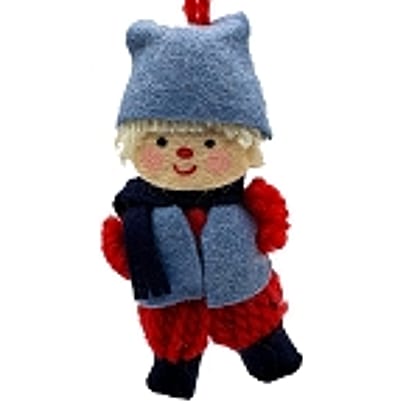
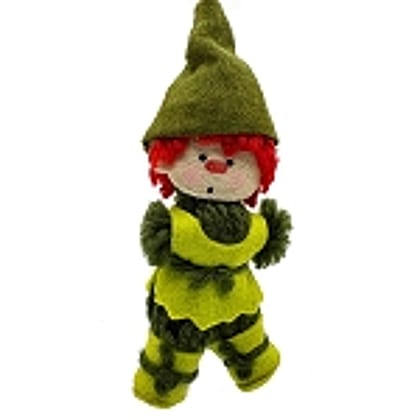
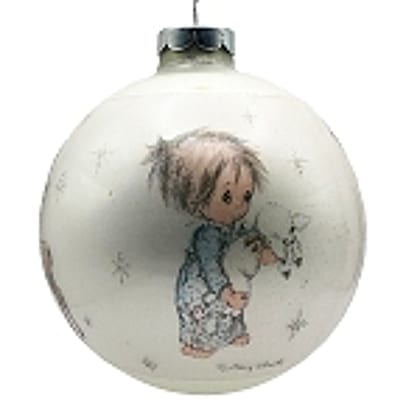
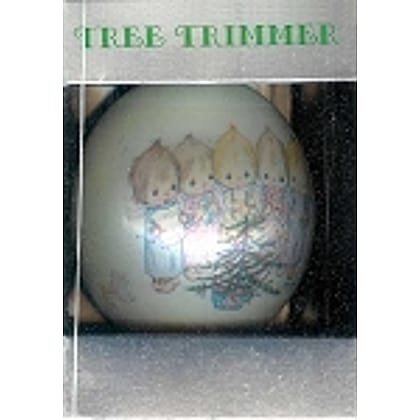
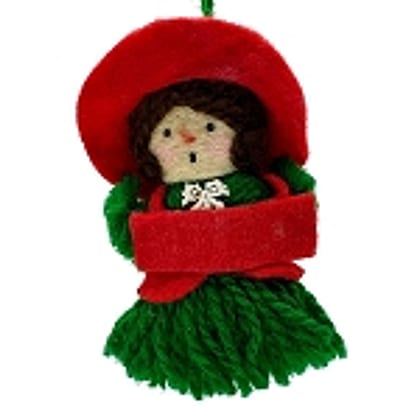
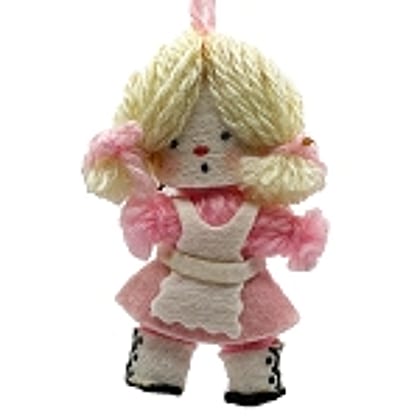
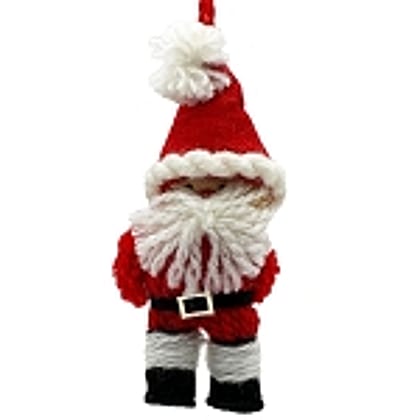
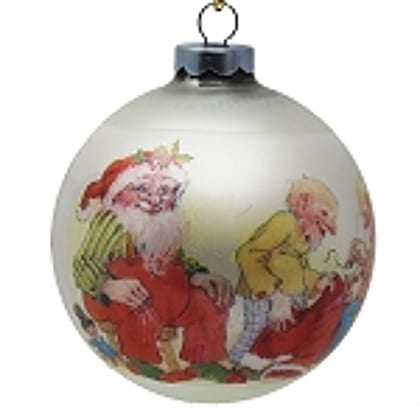
Hallmark’s first Keepsake collection contained only eighteen ornaments: six decorated glass balls and twelve yarn figures. That compact 1973 assortment was a design experiment in two materials. The balls carried art across curved glass, while wrapped fiber, simple faces, and shaped bodies gave soft figures personality without deep sculpture.
Deer and Lamb, Betsey Clark #1 translated Clark’s gentle children-and-animals illustration world into the new line. The first number is historically important because it shows annual continuity beginning inside the debut itself, even before Keepsake collecting had decades of history behind it.
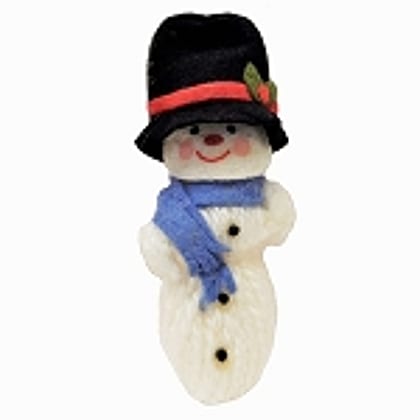
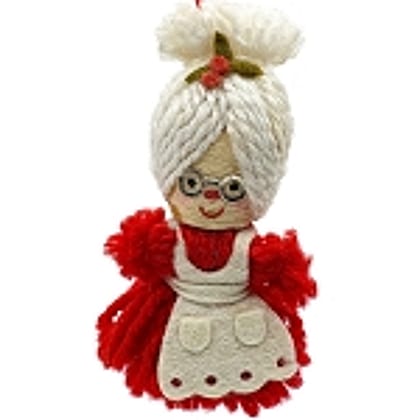
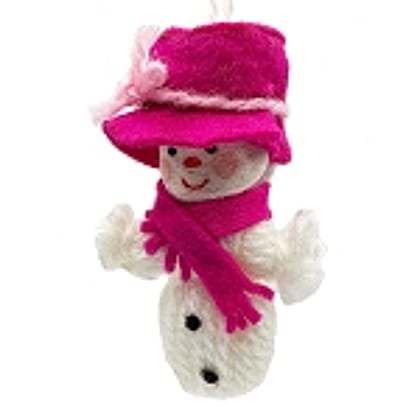
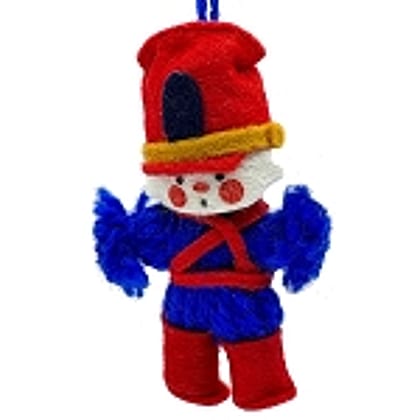
Mr. Santa and Mrs. Santa demonstrate what yarn construction could do. Wrapped texture suggests clothing and softness, while small painted or attached features carry expression. Mr. Snowman and the yarn Angel expanded the same craft-influenced language.
These were dated designs for one Christmas, not selections from a catalog already filled with hundreds of series, licenses, and electronic scenes. That makes their restraint meaningful. Glass uses shine and curvature; yarn uses touch and silhouette. Together they reveal Hallmark’s first answer to a basic question: how could a greeting-card company turn illustration, sentiment, and handmade-looking character into an object meant to return with the family tree each year? Every later Keepsake development begins from this small split between image on a ball and figure in the round.
The curved glass and wrapped yarn also ask for different viewing. A ball reveals its image gradually as it turns, while a yarn figure is read by body outline and texture. The debut was already teaching artists that an ornament has no permanent page-like front. It moves, catches light, and is seen from several angles among branches.